Thursday, June 26, 2014

Universal Joint and another New Yorker

We used the excuse of onkulis Āris being in town to head over to the newest restaurant in town, Universal Joint (UJ). Originating in Atlanta, the idea behind this burger and taco restaurant is to open in residential neighborhoods where it can become a hub, attracting foot and bike traffic in addition to the usual automobile traffic. Advertised as having a family friendly atmosphere, the restaurant/bar also has a wide selection of draft & craft beers, and screens for watching your favorite team. It was the perfect place to watch US beat Ghana in the first stage of the World Cup!


We started with the spicy egg rolls and the Universal fries, piled high with cheddar, bacon, jalapeños, scallions and ranch. All their dressings and almost everything off the menu is made in-house; the boys chose the chicken fingers and tater tots, which are not made in house, however they were quickly devoured nonetheless. The egg rolls disappeared just as quickly, and I really had to hold back on the fries in order to save room for my turkey pita club. Big enough to share, I enjoyed half the next day, and Roberts had the same idea with his brisket philly. Be forewarned, if you are ordering to-go (and not just taking home a doggie bag) you will be charged a 2.5% surcharge, to help offset the expense of the earth-friendly products UJ uses for their take-out. With reasonable prices and a fantastic setup of patios and open-air dining I’m sure we will be back to try the house specialty burgers.

Universal Joint on Urbanspoon 

Of course we also showed Āris around, giving him the usual tour of the Upstate that we take most of our guests on. We started with a hike at Wildcat Branch falls, pausing at the middle falls for a quick picture. The lower falls provided a great opportunity to cool off after the hike with some wading in the shallow waters. I was surprised not to see more people enjoying the cooler mountain temperatures with this easy yet rewarding hike.

A drive up Paris Mountain and a picnic lunch later we stopped at the turnoff for Bald Rock, where we enjoyed the fantastic views of the Upcountry. Next a stop at Table Rock for a different perspective and finally ice cream at Aunt Sue's Country Corner. That evening we arrived home with two (or even four?) rather exhausted boys.

One afternoon Āris had a break from his work obligations, and was able to sneak away for a tour of Falls Park. Although there were people out and about, mostly they were resting in the shade instead of trying to sightsee in the 95 degree heat. We cut our tour short for cold drinks at Spill the Beans (where we bumped into Eric Litwin!) and a cool-down at the splash pad before calling it a day.

After more than a couple evenings spent pleasantly around the dinner table and our first visit to the new neighborhood Joint with onkul Āris, time came to say our goodbyes. Hopefully he had as much fun as we did, only next time we hope he’ll bring tante Laura with!!! 

Tuesday, June 24, 2014

Līst kā pa Jāņiem!

The days before Jāņi are spent in preparation: gardens must be weeded, laundry washed, Jāņu siers tied. Mūsu gadijumā, arī pakojamies ceļojumam uz Gaŗezeru, kur svinējām Jāņus iepriekšējā nogalē. Sanāca gaŗš ceļš – spēkratiem pietrūka spēks kautkur Kentucky štatā – un tā arī gadijās, ka ieradamies Gaŗezerā tikai sestdien. Svētku norise jau bija pilnā sparā; visur ozola zari un puķes sanestas un vainagu pinēji pie darba.


Traditionally on zāļu diena (June 23rd) the last Jāņu tasks were completed. After a final cleaning the home was decorated with meijas, oak and mountain ash branches, which served not only a decorative purpose, but also would protect the house against witches and Pērkons in the coming year. Healing herbs were foraged for the next year, as on this day they were thought to be at their peak power. As we had no cows and horses to feed we concentrated on picking our Jāņu zāles, to be fashioned into oak wreaths for all three boys and a flower crown for me to wear that evening. I’m particular to daisies, and although we saw hillsides covered in the white flowers along the highway in Ohio, as we approached our destination there were few to be found. Luckily by arrival we had secured a few bunches, and the woods provided the necessary oak branches for me to set to work on the crowns.

Visas bija Jāņu zāles,
Ko plūc Jāņa vakarā;
Visi bija Jāņu bērni,
Kas Jānīti daudzināja.


Pirms zinājām, Jāņu vakars arī bija klāt! Uzvilkuši svētku drēbes piebiedrojamies pulkam kuŗš nāca no plūdmales. Gaŗezers bija saorganizējis Jāņu aplīgošanu; līgotāji devās par “apgabaliem” dziedot un līksmojot. Tur nodziedot piemērotas līgo dziesmas viņus pacienāja ar Jāņu sieru un alu. Pavisam drīz jau sākās lietus; vispirms maigs, netraucējot līgotājus, bet ar katru apgabalu tas kļuva stiprāks, līdz lietussargi gandrīz vai nebija pietiekam pasargāt no lielām lietus lāsīm. Puiši salijuši, devamies atpakaļ uz Lāču Annas paviljonu, kur turpinājās Jāņu svinēšana līdz pat saulaustam.


On the eve of Jāņi it is tradition to start the festivities with the crowning of the Jāņu father and mother, the hosts to the Jāņu bērni of the evening. These are the celebrants who go from farm to farm singing and bringing blessings with their song. We missed the kick-off that Saturday evening, but caught up with the līgotāji on one of the first of their stops, singing while making the rounds of Dzintari. At various stops we were treated to the traditional Jāņu cheese and beer, and even the start of a rainshower didn’t dampen the enthusiasm of the līgotāji. Lauris and Mikus were entranced by the singing, and soon got over their shyness with the first offered pīrāgi, traditional Latvian bread rolls filled with bacon and onion. Our enthusiasm may have dampened a bit as the rain picked up, but soon we found ourselves back on the beach where the traditional bonfire had been lit at dusk, to provide transition from the light of day, through the dark of the shortest night of the year, until the sun once again rises the following morning.


Jānis sēde kalniņā, līgo, līgo, zāļu nasta mugurā, līgo, līgo.
Nāc Jānīti, sētiņā, došu siera gabaliņu.
Jānīšam treji vārti, visus trejus virināja.
Pa vieniem Jānīts gāja, pa otriem Jāņa bērni,
Pa trešiem mīļā Māra, div’ dzelteni kumeliņi.


Jāņuguns arī dega… nu dūmoja. Ugunskurs tomēr bija tik kārtīgi sabūvēts, ka tas dega lietu nemanot. Uzmetām arī mūsu Jāņu vaiņagus no iepriekšējā gada, lai nestu laimi nākamajā. Senlatvieši ticēja, ka jāuzturās pie uguns visu nakti, jo tas dodot veselību un līdzot pret slimībām. Tā arī tie lēca pāri ugunskuram, tomēr mums šajā naktī nebija lemts milzīgo guni pārlekt. Salijuši devāmies uz mājiņu.

Off to the right is the smoking Jāņuguns

After admiring the Jāņu bonfire and tossing last year’s wreaths on to bring good luck in the coming year we headed to shelter for some dry clothes. It wasn’t long before family gathered and the singing began, although it wasn’t meant to be to return to the bonfire that evening. The rain continued for three days, through Tuesday which was the actual Jāņu diena this year – the 24th – (although we celebrated over the weekend), and so it really did “rain as if Jāņi,” lija kā par Jāņiem… Ja Jāņu dienā tik ilgi līst lietus, kamēr zirgu var apseglot, tad būs auglīga vasara. If it rains on Jāņi long enough to saddle a horse, then it will be a fertile and bountiful summer.


Līgojam, līgojam, neguļam, neguļam,
Redzēsim, redzēsim kā saulīte rotājās.
          Lec, saulīte, rītā agri, lec ar Dieva palīdziņu;
          Ir mums tava gaišumiņa vajadzēt vajadzēja.
Līgojiet, līgojiet, nava gaŗa Jāņu nakte –

Viena puse tumsin tumsa, otrā ausa gaišumiņš.

Wednesday, June 18, 2014

I love my white shoes, I love my white shoes!

The children’s programs at the Greenville public library over the summer are truly fantastic! In addition to the reading program we are participating in, there are dozens of cool events such as animal wranglers and musicians. We headed to Greer this morning to catch Eric Litwin (a.k.a. Mr. Eric), well-known children’s book author and guitar wielding comedian.


If you have kids you’ve probably heard of Pete the Cat: books like “I Love my White Shoes” and the one about the groovy buttons. What I didn’t know is that Mr. Eric is the author of only the first four Pete the Cat books, subsequent books are credited to James Dean. However, he has an entire library under his belt now, with a new release “Bedtime at the Nut House” (sounds like our house!) coming out this July.


Mr. Eric puts on a great show, keeping his audience engaged from the moment he was introduced until the very last visitor had left the room. Entertaining for not only the children, but also the adults; bottom line is that Mr. Eric puts on a great show, and I wish everyone the chance to check out his show!


For those of you reading this in Greenville, you still have an opportunity to catch the New York Times best-selling author today once at 10am and once at 11am at the Pelham branch, tomorrow the 19th in Simpsonville and in Taylors on the 20th. Bring your Pete the Cat books for Mr. Eric to sign, and you can also purchase “The Big Silly with Mr. Eric” musical CD or “Pete the Cat Saves Christmas.”


Later that afternoon during an impromptu stop at Spill the Beans with visiting onkulis Āris, we passed someone looking exactly like Mr. Eric on the way out; could it be that the author was taking an afternoon to enjoy downtown Greenville after an intense morning entertaining? If so, it was a well-deserved break, and I’m happy to see visiting celebrities experiencing Greenville!


Monday, June 16, 2014

What is permaculture?

Still a newbie in the gardening discipline, I recently stumbled onto a group here in the Upstate that has been a real eye-opener to gardening in relation to community and sustainable living. Through South Carolina Upstate Permaculture Society (SCUPS) resources I have gained new appreciation for Southern gardening, as well as inspiration for my garden and our life here in the Upstate. My vocabulary has grown as well; I had not even heard the word “permaculture” until a discussion with friends last year.

Permaculture is a systematic method of ecological and environmental design that develops sustainable systems modeled after natural ecosystems. The term was first coined by Australians Bill Mollison and David Holmgren in 1978 and originally stood for permanent agriculture as a sustainable farming philosophy. To me it means sustainably utilizing local resources including our physical yard and neighborhood, as well as the knowledge, seeds, plants and materials within our community.

Lucky boys were in charge of gathering eggs from the neighbors coop for a week!

SCUPS was started by Eliza & Nathaniel Lord. Eliza is a self-proclaimed “proud sustainahilbilly, urban farmer & blogger” who runs a ¼ acre urban farm in downtown Greenville with her family. In addition to organizing urban farm tours & open houses and managing the blog Appalachian Feet, she also teaches classes, many of which are taught just down the road at the Swamp Rabbit Cafe and Grocery. I had the privilege of briefly meeting Eliza during their recent “open garden,” as well as taking a tour of their incredible urban farm.


Another new vocabulary term - “hugelkultur.” Basically a raised bed filled with rotting wood, the website www.richsoil.com describes the benefits of this method of gardening – “This makes for raised garden beds loaded with organic material, nutrients, air pockets for the roots of what you plant, etc. As the years pass, the deep soil of your raised garden bed becomes incredibly rich and loaded with soil life. As the wood shrinks, it makes more tiny air pockets - so your hugelkultur becomes sort of self tilling. The first few years, the composting process will slightly warm your soil giving you a slightly longer growing season. The woody matter helps to keep nutrient excess from passing into the ground water - and then refeeding that to your garden plants later. Plus, by holding SO much water, hugelkultur could be part of a system for growing garden crops in the desert with no irrigation.”

Hugelkultur beds in action

The Lords had some great examples of hugelkultur on their property, along with a number of other demonstrations of the application of permaculture to city living. These are just a few:
Lawn-free edible landscaping
Unusual perennial food crops for the southeast
Water catchment swales in pathways
Edible mushroom farming
Pallet gardens
Farmscaping (organic pest control through hosting a complete ecosystem)
Chickens, chicken coop, & run
Black soldier fly waste composting and chicken feed
Worm bin and cold composting
Bee hives
The beginnings of what will be a duck run and pond

I found a few of their approaches to gardening in this area applicable to our yard, and although I don’t see adding a chicken coop, duck run or beehives to our backyard anytime soon, I do see incorporating more local species to attract pollinators, as well as possibly building additional raised beds to accommodate more plants. I also hope to become a bit more active in SCUPS, and not just watch their activity on facebook but also participate in some of the permablitzes (a talka where a large group comes together to help permaculture someone’s site) and meetings.

There was talk of possibly re-queening, to gain a more peaceable hive

Also on my mind are several other permaculture concepts, such as rain barrels and gardens. Recently a subject to come up repeatedly in local news are rain gardens, areas planted with native species meant to absorb rainwater runoff from impervious urban areas like roofs, driveways and parking lots. Discussions among friends have brought up topics like foraging, with many of the local parks and forests home to pecans and mulberries that would make for some fun excursions in the right season. And settling into our home has prompted me to think about how best to utilize several areas of the garden that don’t see much traffic, but would be perfect for more food plants with just a little work on soil quality.

Yesterday's harvest - tomatoes and basil were tossed with oil and mozarella for a fresh salad, squash and a zucchini baked with herbs for a side

As I’m hardly an expert on permaculture or any of these topics, I suggest you instead turn to Eliza Lord’s website Appalachian Feet, an invaluable resource on permaculture, here. You can join SCUPS by searching facebook for “SC Upstate Permaculture Society” and requesting an invitation. I found easy-to-understand information on hugelkultur here. And finally a virtual tour of the permaculture-setting example of a garden right here in Greenville can be found here

Thank you to the Lord family for the tour of their farm as well as patience in answering my questions, and for their gracious permission to share my photographs of their gardens in this space.

Friday, June 13, 2014

The South Carolina Botanical Gardens

Forty-five minutes west of Greenville is Clemson, home not only to Clemson University, but also to the South Carolina Botanical Gardens. At just under 300 acres, the Gardens encompass everything from natural landscapes to display gardens, with miles of streams, nature trails and the 70-acre Schoenike Arboretum. Home to over 300 varieties of camellias, the Gardens also have an extensive collection of hollies, hydrangeas, magnolias and native plants. But in order to best enjoy this State treasure, visitors should stop in the Pot Belly Deli for lunch first.


Our sandwiches and wraps were filled to the bursting with toppings and flavor, and the atmosphere was family friendly, especially for a college town. Upon entering you order at the counter and pay at the register before heading to claim a table, where your meal will be brought to you once prepared. The boys polished off a freshly-baked bagel, and the fresh deli fare made it clear that PBD is no chain, but instead a local destination. Vegetarian cuisine is available, along with salads and hot meals. 

Fortified for a day in the gardens we cut across campus and parked in the lot off Pearman Boulevard closest to the Heritage Garden. The first area visitors coming from this entrance will find themselves in is the Cadet Life Garden, which commemorates a special period in Clemson history. Not many people know that Clemson University used to be one of seven military colleges in the country. All the students wore uniforms, attended military classes, practiced military drills, lived in barracks, marched to meals in a common mess hall, and most attended military summer camp at a US Army post - all the while working towards a college degree in their chosen field. Most were commissioned as officers in the US Army Reserve Corps on graduation, and many saw active duty with the military in foreign wars. During those sixty years (until 1956), 12,314 students graduated, nearly 10,000 became Reserve Officers, about 5,600 saw active military service, and 335 died or were missing in action while fighting for their country. (From informational plaques in the Garden).


Following the shaded pergola NE will take you to 1939 Caboose Garden. (Although make sure to stop and relax on one of the swings on your way; tucked into recesses they can be a handy hiding spot from the world, or your two noisy boys.) George Williams, Assistant Vice President and Treasurer of Southern Railway (as well as graduate of class of ’39) donated the caboose which was repainted red, transported to its current spot and furnished with interior finishing and memorabilia.


Meandering through the Heritage Garden, we slowly made our way to the Children’s Garden. With greenhouses, a “Food for Thought” Garden, Peter Rabbit’s Garden and other interesting spaces, the boys found plenty to explore. The food garden provided me with pinterest-style inspiration for our own garden, as well as confirmation that we aren’t the only ones using old pallets as gardening implements. The Peter Rabbit Garden featured a cute little playhouse, and although the greenhouse was near empty, one can imagine that the contents had been recently transplanted outdoors into the gardens.


Adjacent is the butterfly garden, where quite a few butterflies were actually fluttering about, even in the midday heat. I was especially impressed with the pitcher plants, and the boys spotted one or two flowers that we have growing in our garden. There were also many similarities between this garden and the Roper Mountain Science Center butterfly garden that we have just a few minutes from home. 


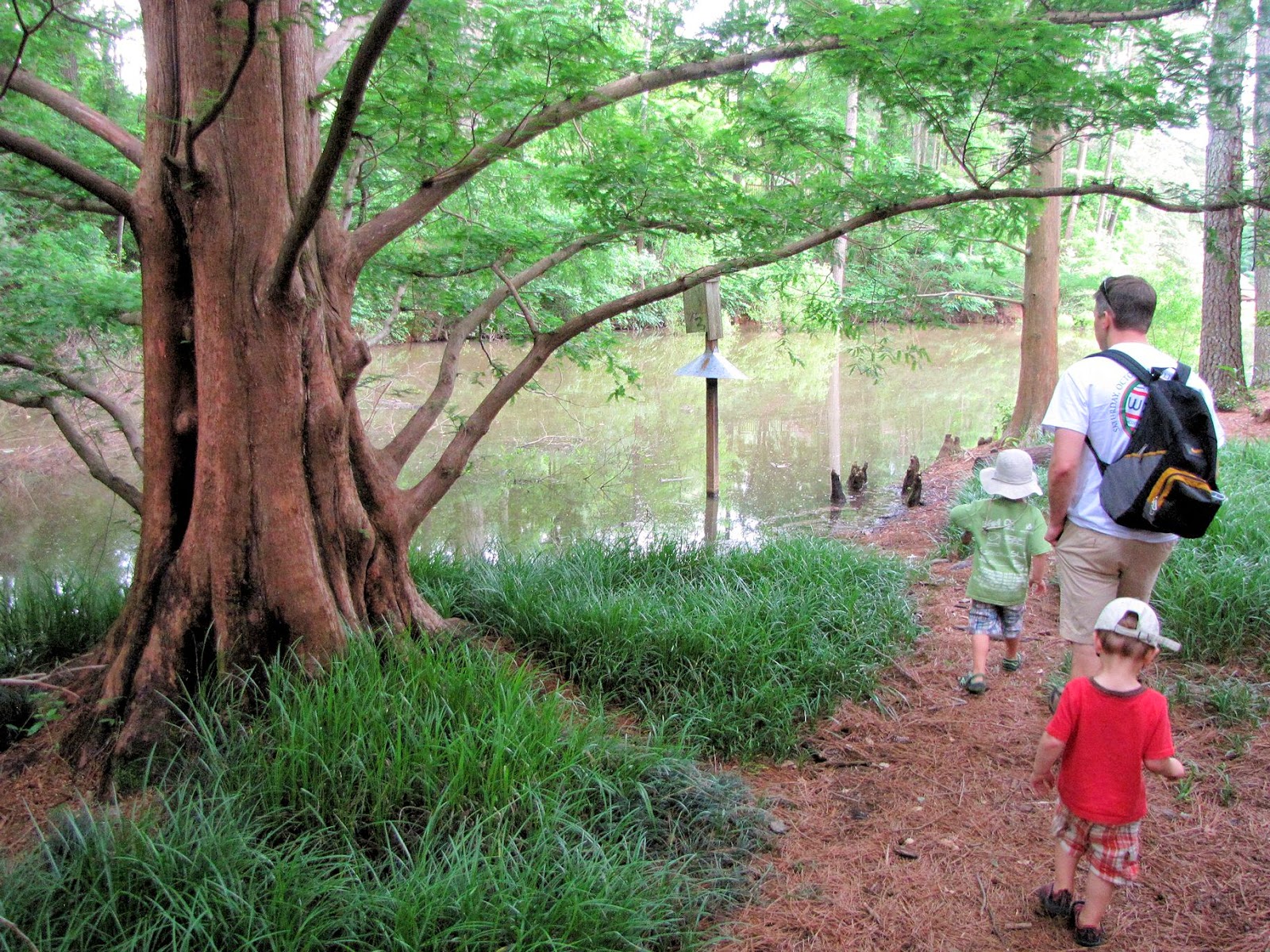
We circled around Duck Pond on a nice wooded trail that took us around to Camellia Trail. Benches scattered here and there allowed for chances to stop and rest, have a snack and enjoy the view.


We detoured to the Flower Display Garden to see what was blooming, but the boys were more interested in mud puddles and so we soon continued on.


Although there were miles and miles of trails left to explore, we decided to save those for another time. After returning to our car we headed further through Kelly Meadow to the Fran Hanson Discovery Center & Gift Shop. Built in 1998 as "The Wren House," it was the first Southern Living Idea House, designed by architect Keith Summerour and garden designer Ryan Gainey. The cactus gardens between the house and the Campbell Geology Museum are amazing, and provide a stark contrast to the lush, green gardens around the Wren House. We didn’t make it to the art galleries on the second floor that showcase local artists, nor did we venture further to the arboretum just beyond the parking lot; instead, we loaded up and pointed the car back towards home, with one final destination in mind…


No summer road trip is complete without ice cream, and our quest for a cold treat took us back to the Clemson campus. Located in the Hendrix Student Center, the ’55 Exchange is a student run enterprise created in 2005 by the Class of 1955. In addition to ice cream, shakes, smoothies and coffee chillers, one can also buy the famous Clemson blue cheese there – previously mentioned in my post about Stumphouse Tunnel, where the cheese was originally cured.


Truly a State treasure hidden away in a corner of the Upstate, the SC Botanical Gardens are a must-see destination for visitors to the Upstate. No matter the time of year or your interests, I encourage you to go for a hike and discover the Gardens for yourself!

Related Posts Plugin for WordPress, Blogger...